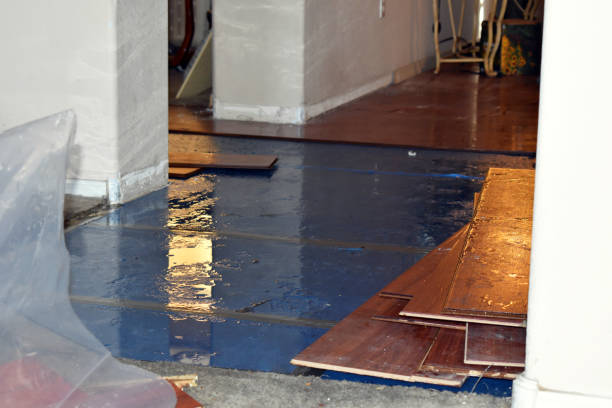
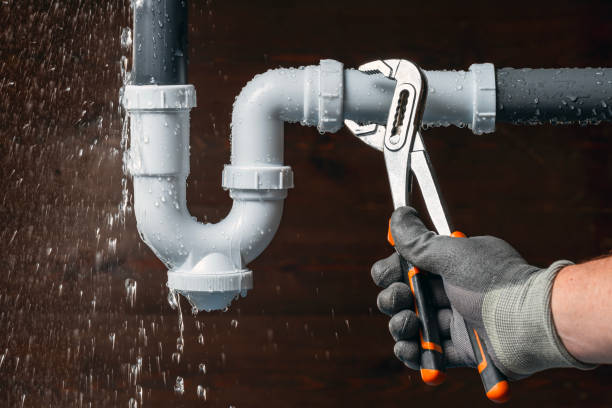
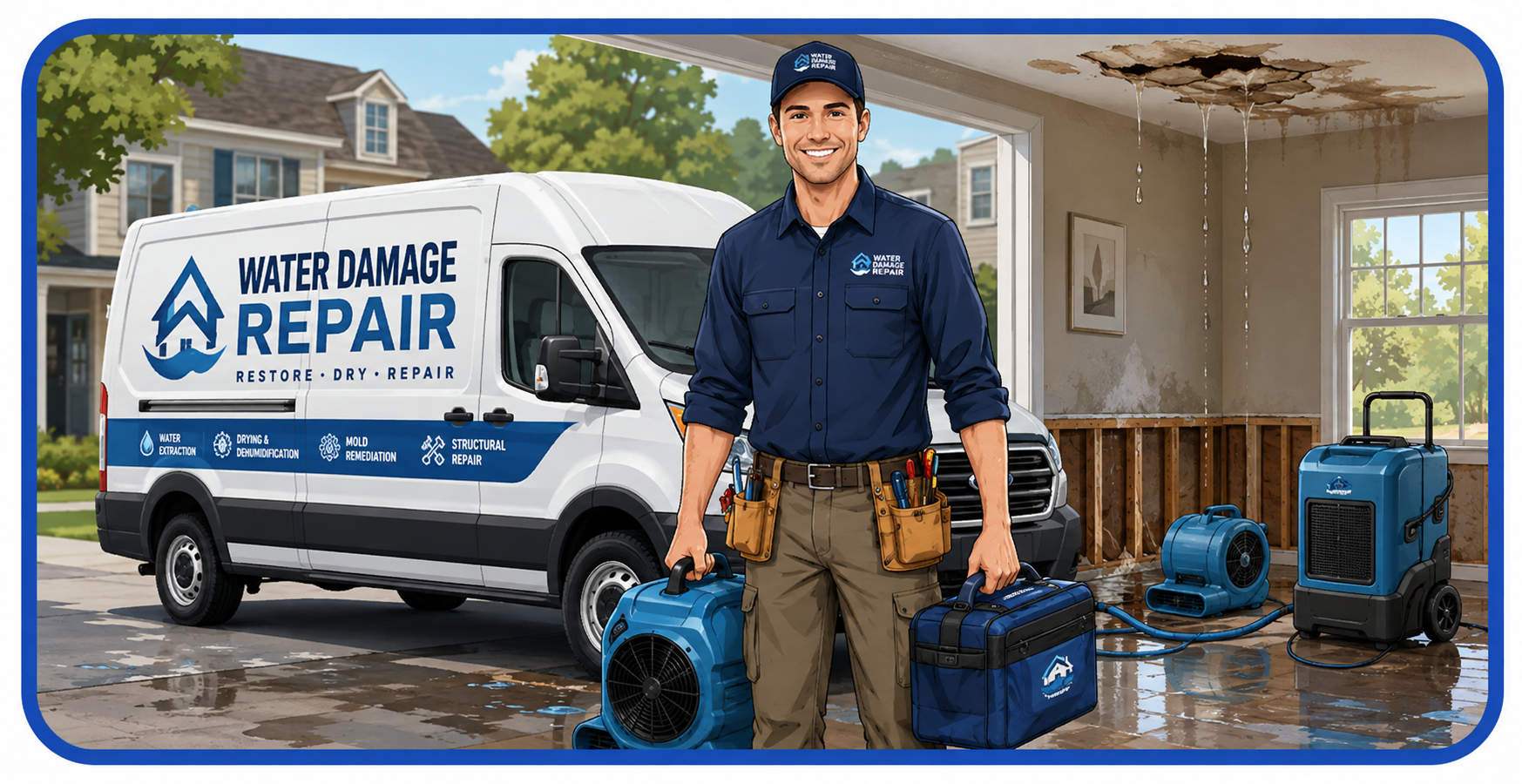
There's a specific kind of dread that comes with standing water spreading across a Denver living room floor. We're built to shorten that window between the panic and the fix.
Call +1-844-578-1604
Avg. arrival under 60 minutes in Denver
Written estimate, no hidden line items
Licensed & insured, verifiable on request

We run our Denver operation on IICRC-certified technicians and commercial-grade equipment, not a subcontractor list we pull from when the phone rings.
Our Denver dispatch desk is staffed around the clock by people, not an automated queue, which matters most at exactly the hour you're calling.
Homeowners dealing with a flood are stressed enough without technical jargon, so we train our crews to explain the process in plain terms from the first phone call.
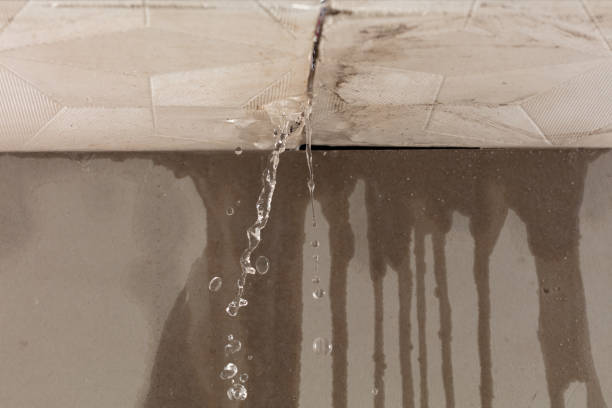
Water damage rarely starts as a dramatic flood — it usually starts small, and these are the signs worth acting on before the damage spreads further.
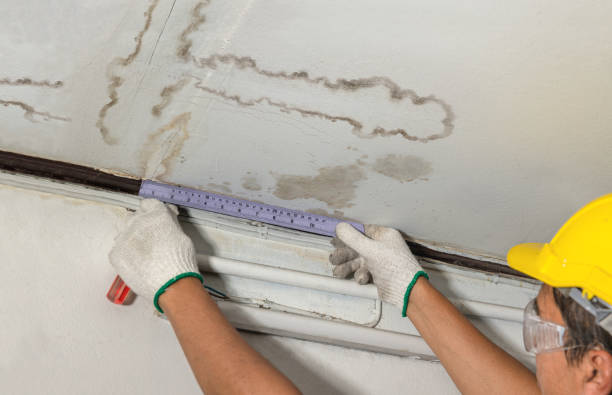
A ring that reappears within weeks of a fresh coat of paint means the moisture source is still active, and it's usually a plumbing line, not a roof issue, especially near bathrooms.
If a dehumidifier and open windows don't clear the smell within a day or two, there's an active moisture source that ventilation alone won't solve.
A hollow sound from tile that used to sound solid usually means the mortar bed lost adhesion from sustained moisture underneath.
Catching a hidden leak through the water bill is far cheaper than waiting for it to surface as a flooded room.
Bubbling near a window frame frequently traces back to a failed seal letting water in gradually.
A small patch of mold in a corner or along a baseboard means conditions behind that surface have supported growth for a while — the source needs to be found, not just wiped away.
Catching two or more of these signs at once usually means it's past time for a proper inspection.
Bouncing between an extraction company, a drying company, and a repair contractor is how small jobs turn into weeks-long headaches — we keep all three under one roof on purpose.
The equipment on our trucks scales up or down to the job, but the process — assess, extract, dry, verify, repair — doesn't change.
Moisture meters classify the water as Category 1, 2, or 3 on arrival, which determines whether it's a straightforward extraction or a full contamination protocol.
Daily drying logs track humidity and surface moisture at every checkpoint, giving you documented proof of progress instead of a verbal 'it's getting there.'
Our sewage cleanup protocol follows IICRC S500 guidelines start to finish, including isolation of the affected zone and disposal documentation.
If mold has already started, containment with negative air pressure goes up before any demolition begins, so spores don't travel to unaffected rooms.
Reconstruction starts from the actual drying documentation, not a fresh guess, which keeps the repair scope accurate.
Furniture, electronics, and documents get assessed on-site, with salvageable items cleaned and stored while the space dries.


Four steps, no guesswork — here's exactly what happens between your call and a verified-dry structure.
Dispatch gathers just enough detail to load the right equipment before the truck leaves the lot.
Photo and moisture documentation happens before any equipment gets touched, which protects your insurance claim later.
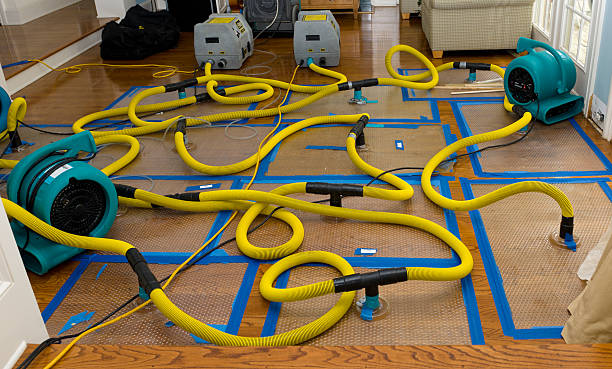
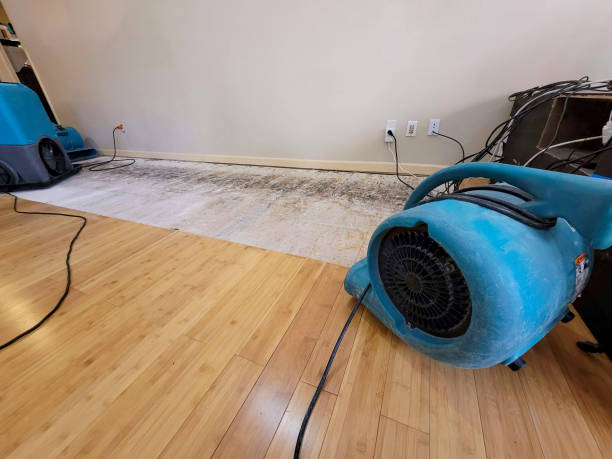
Standing water comes out first with commercial extraction equipment, then air movers and dehumidifiers go to work based on the readings just taken.
Final verification is where corners often get cut industry-wide; we treat it as mandatory.
We built the checklist below around the actual complaints people have about restoration companies in general, then made sure Aqua Guard Water Damage doesn't repeat them.
Licensing and insurance aren't paperwork we keep in a drawer; they're what let us stand behind the work if something doesn't go as planned.
Regionally staged trucks mean a crew often arrives before a national chain's call center finishes the intake questionnaire.
You get a written estimate before equipment turns on, not a surprise invoice after the fact.
Every job closes with a documented re-inspection, not a handshake and an invoice.
We'd rather run a dehumidifier an extra day on our dime than sign off on a reading we're not confident in.
This isn't marketing copy — it's the actual checklist our crews sign off against before a job is marked complete.
Call +1-844-578-1604Whether your address sits in 17517 or a neighboring zip, the same crew and the same response standard applies.
We track call patterns by zip code across Denver to keep crew staffing matched to where emergencies actually happen.

"What stood out was how calm the technician stayed while explaining a genuinely stressful situation — that mattered more than I expected."
Renee A., Denver"A storm backed water into our finished basement and the crew classified it, extracted it, and had dehumidifiers running that same afternoon. The invoice matched the quote to the dollar."
Owen D., Denver"Professional from the first call to the final walkthrough, and they re-tested moisture before closing the job instead of eyeballing it."
Fatima J., Denver"The reconstruction crew matched our original flooring almost exactly after the repair — you'd never guess there was ever a leak."
Lucas P., Denver"We had a slow leak for weeks without noticing, and thermal imaging found moisture in a spot we never would have checked ourselves."
Grace T., Denver"They sectioned off the wet area instead of shutting down the whole office during drying, which kept us operating almost normally."
Nathaniel W., Denver"A cracked supply line under our kitchen sink went unnoticed for days, and by the time we called, the subfloor was saturated. They only replaced what actually tested wet, not the whole floor."
Bianca H., Denver"They explained the crawl space drainage issue in plain terms instead of technical jargon, and fixed it on the spot rather than scheduling a separate trip."
Derek S., Denver"Our upstairs bathroom leaked into the kitchen ceiling below and the crew traced it back to a failed wax ring on the toilet, not just patched the visible ceiling stain."
Melissa C., Denver"Being out of town when it happened was stressful enough — having a crew that could work directly with our property manager made it manageable."
Victor N., Denver